From Emergency Relief to Community Recovery
Supporting crisis-affected communities through coordinated relief, protection, essential services and early recovery while strengthening local capacities for resilience.
Fourteen integrated programmes carry out VIRD Foundation's mission — from emergency response to long-term community transformation.
PROGRAMME DIRECTORY
Each programme below is presented in full — overview and areas of intervention together in one place. Jump to any programme directly:
Supporting crisis-affected communities through coordinated relief, protection, essential services and early recovery while strengthening local capacities for resilience.
We provide and coordinate assistance for people affected by poverty, disasters, emergencies and other forms of vulnerability..
Northern Ghana. See our Where We Work page for our current focus districts.
Related projects and stories for this programme will be listed here once published.
Support This Programme
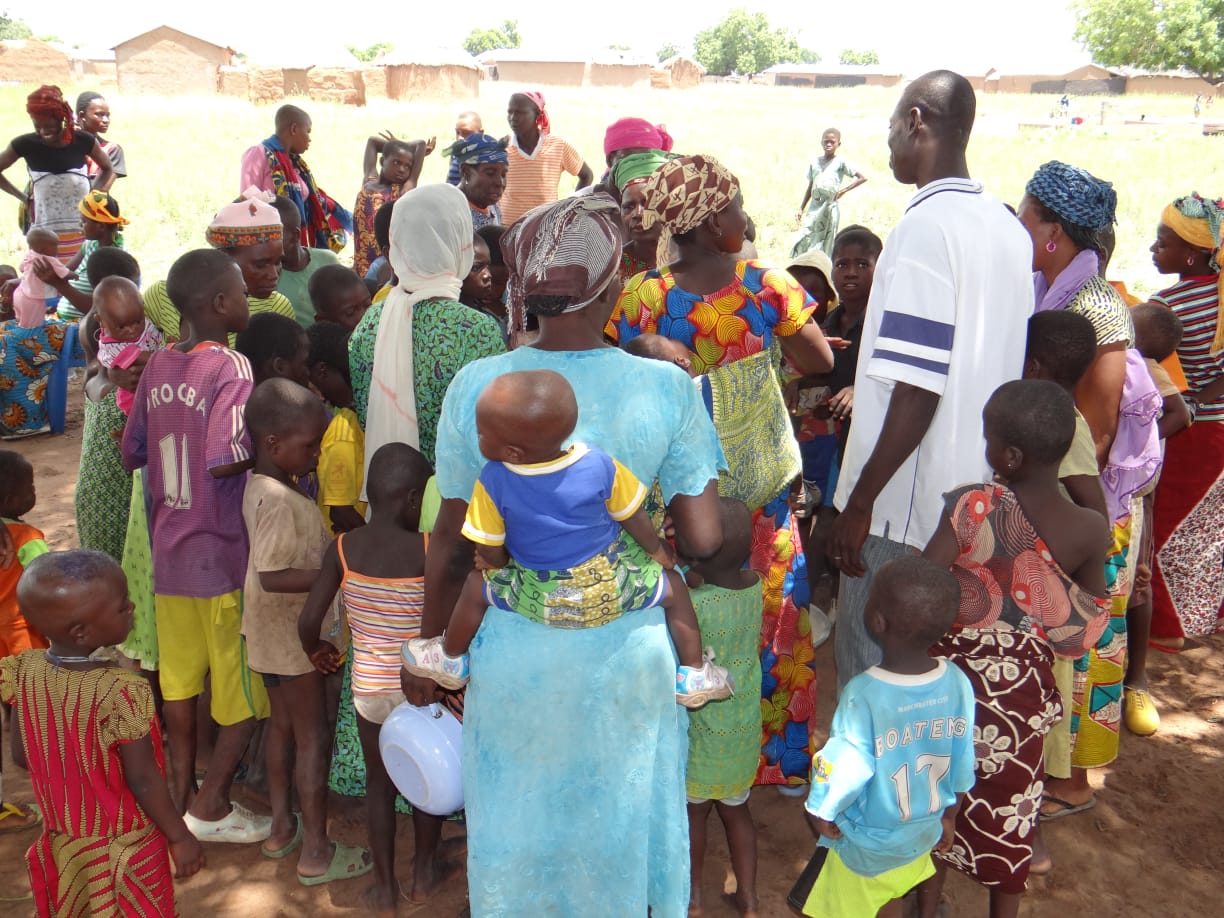
Women, children and community members gathered during a community outreach and engagement activity.
Supporting children and young people through improved access to education, learning resources, scholarships, skills development and stronger educational systems for lifelong opportunity.
We support equitable access to quality learning and opportunities for human development.
Northern Ghana. See our Where We Work page for our current focus districts.
Related projects and stories for this programme will be listed here once published.
Support This Programme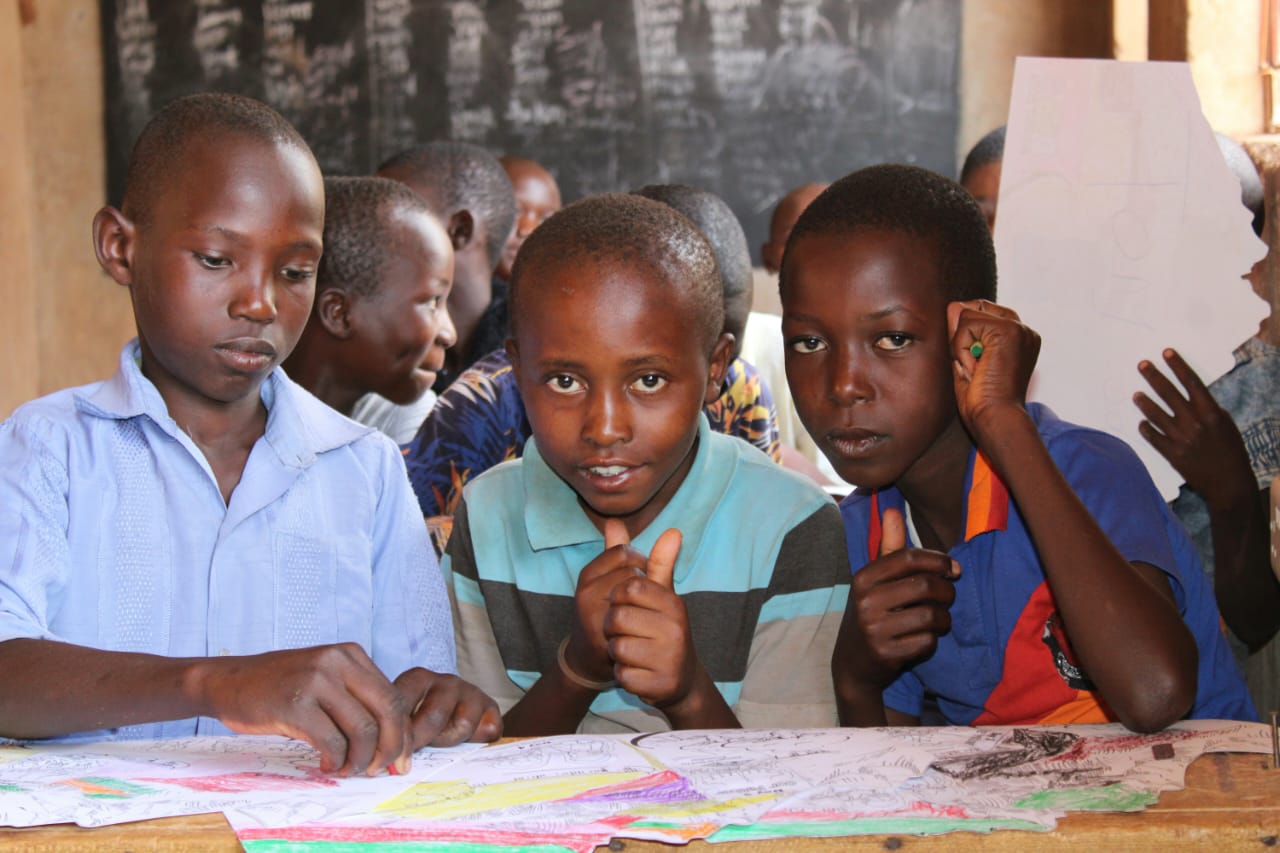
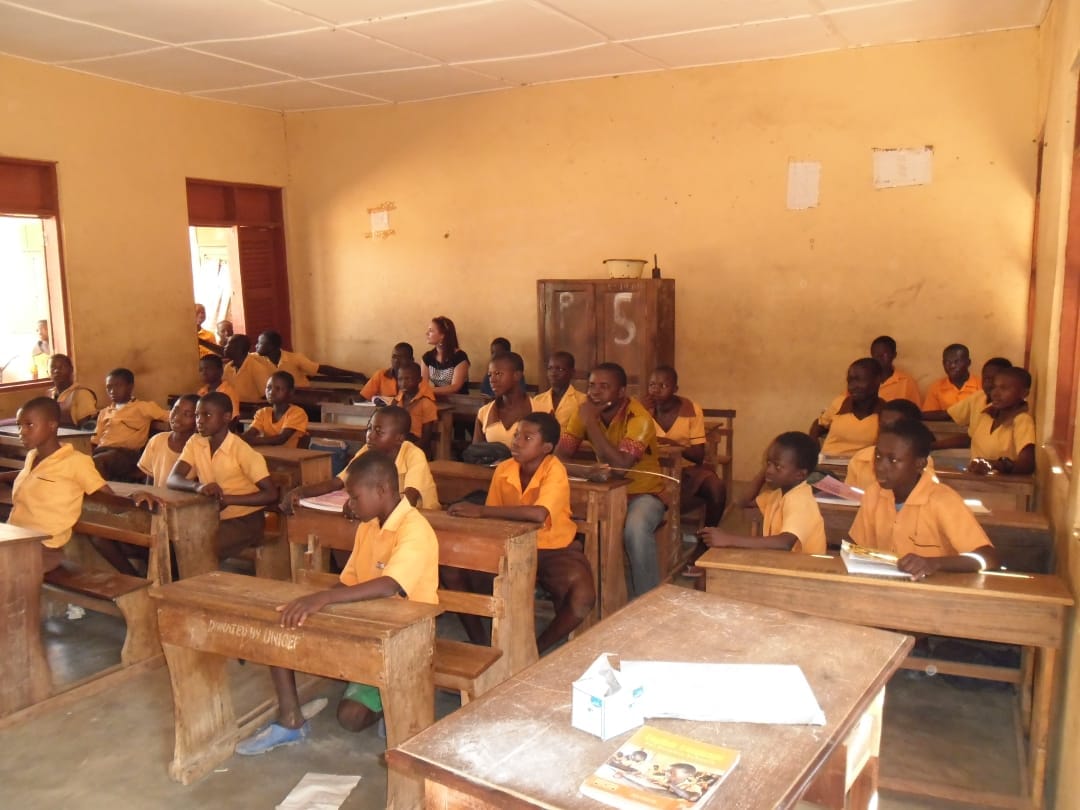
School children learning together with educational materials during a classroom activity.
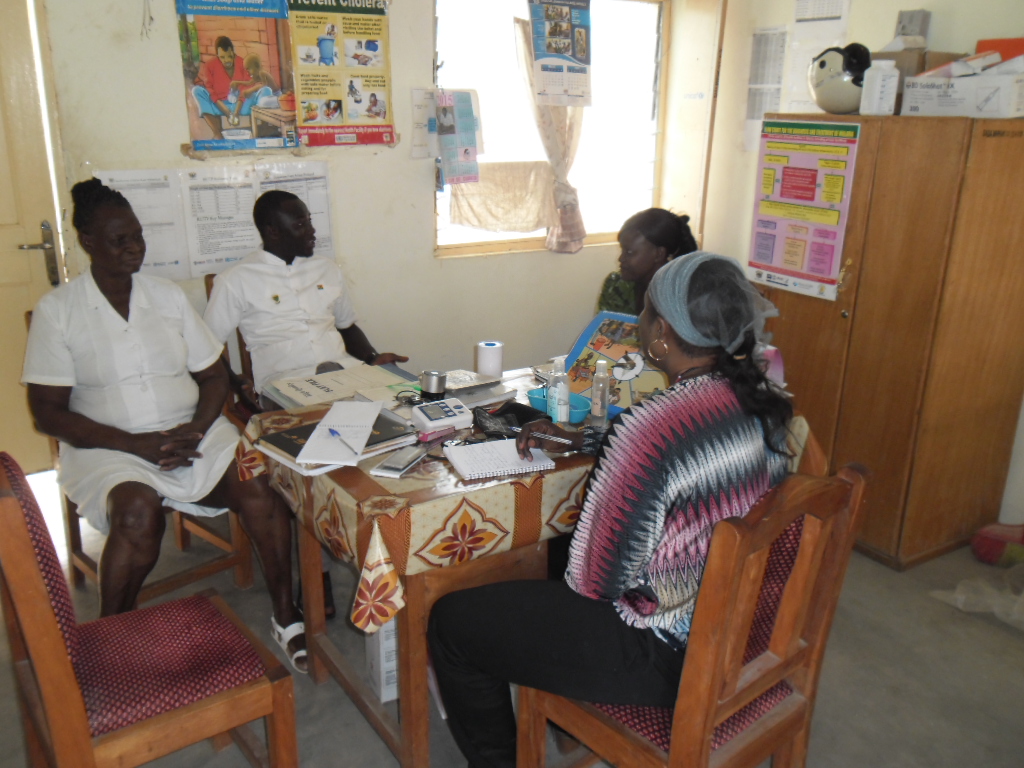
Bringing quality health and nutrition information and services closer to communities through prevention, counselling, screening, referrals and stronger community–health system linkages.
We work with qualified health institutions and communities to strengthen access to health and nutrition services.
VIRD will work with qualified health institutions and relevant authorities to complement — not duplicate — public health services.
Northern Ghana. See our Where We Work page for our current focus districts.
Related projects and stories for this programme will be listed here once published.
Support This Programme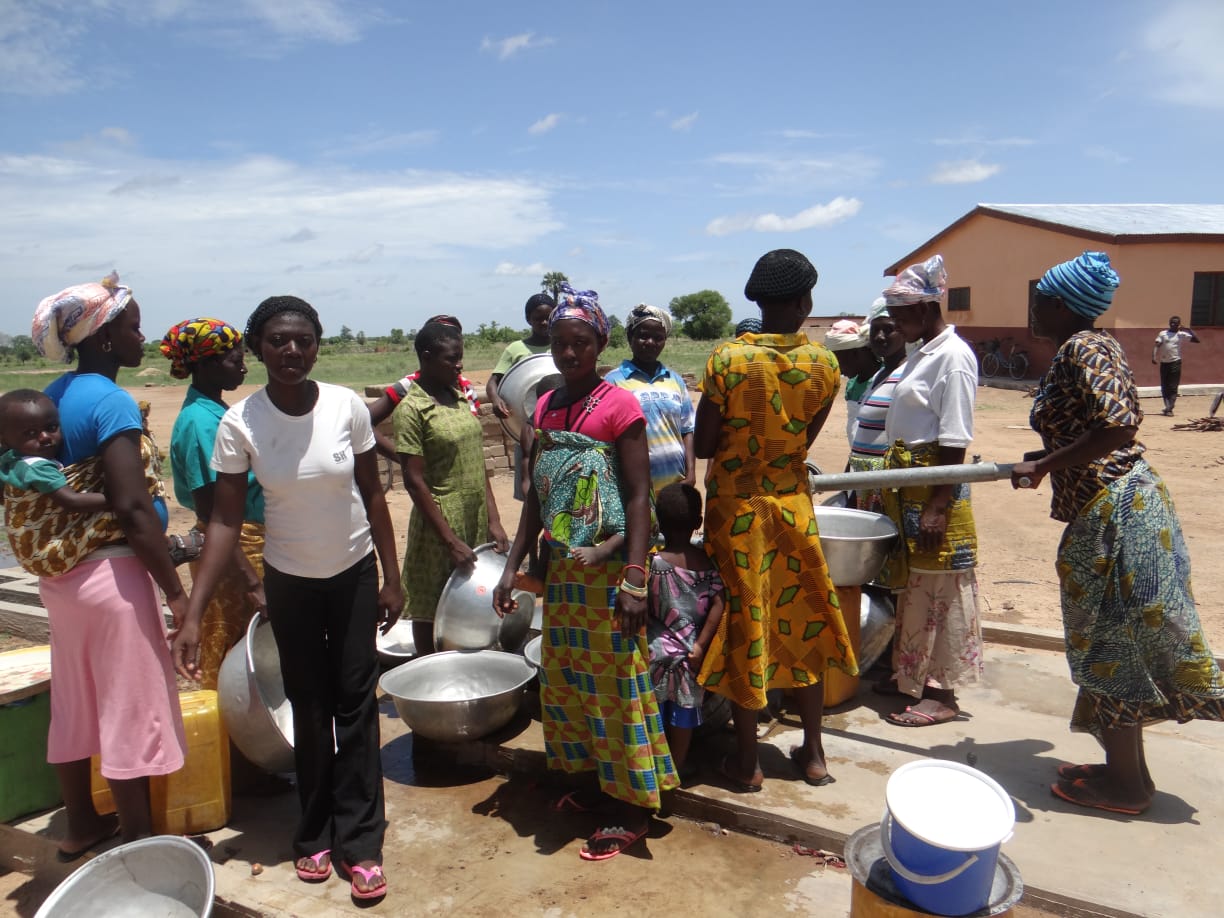
Expanding community water access to reduce the time and effort women and families spend collecting water while improving hygiene, health and household well-being.
Every infrastructure investment should be accompanied by appropriate operation and maintenance arrangements.
Northern Ghana. See our Where We Work page for our current focus districts.
Related projects and stories for this programme will be listed here once published.
Support This Programme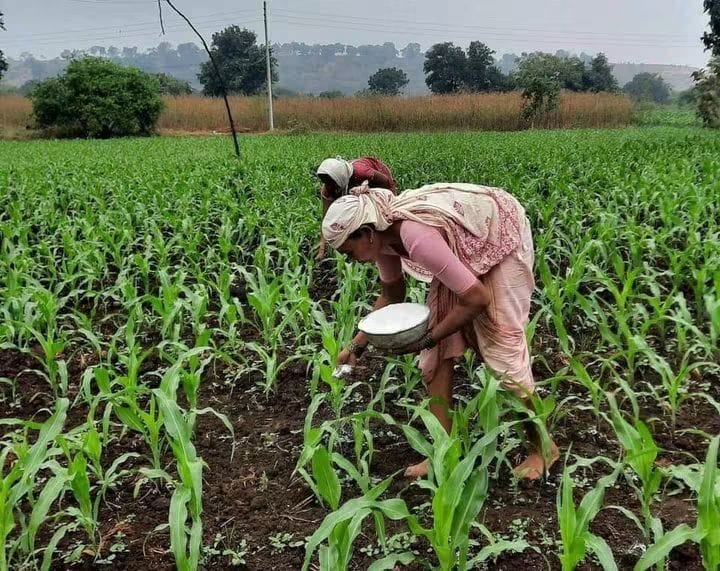
Strengthening women’s participation in agriculture through improved skills, climate-resilient farming practices, productive inputs and market linkages that enhance incomes, nutrition and household food security
We support vulnerable households and smallholder farmers to strengthen food security and agricultural resilience.
Northern Ghana. See our Where We Work page for our current focus districts.
Related projects and stories for this programme will be listed here once published.
Support This Programme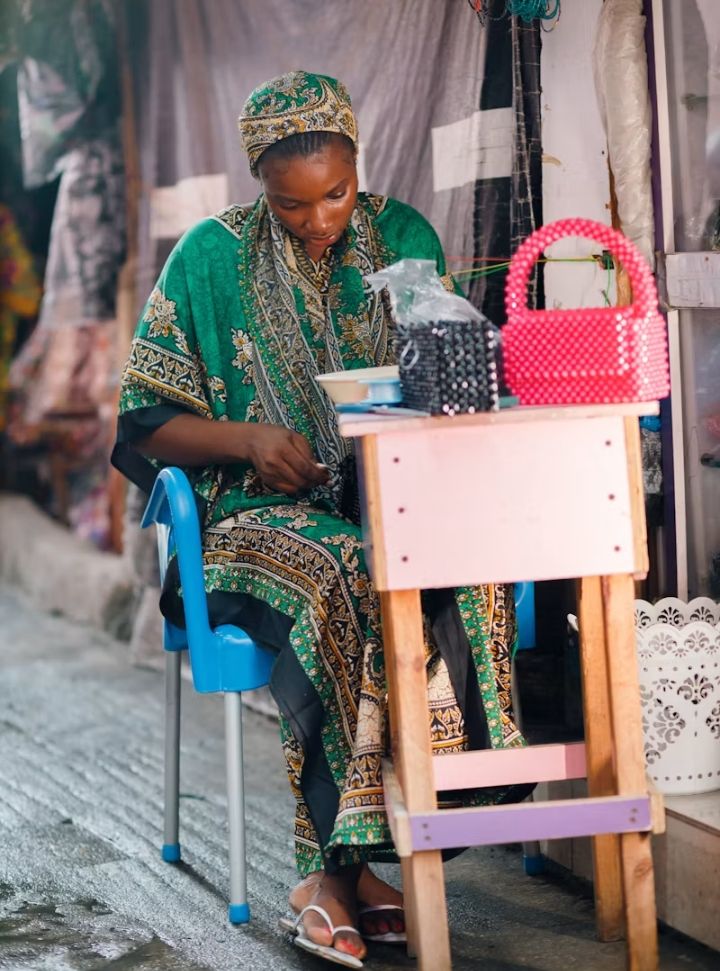
Equipping women, youth and vulnerable households with market-relevant skills, productive assets and enterprise support to create sustainable businesses, generate income and strengthen economic independence.
Our objective is to help people develop sustainable productive capacity and income opportunities.
Northern Ghana. See our Where We Work page for our current focus districts.
Related projects and stories for this programme will be listed here once published.
Support This Programme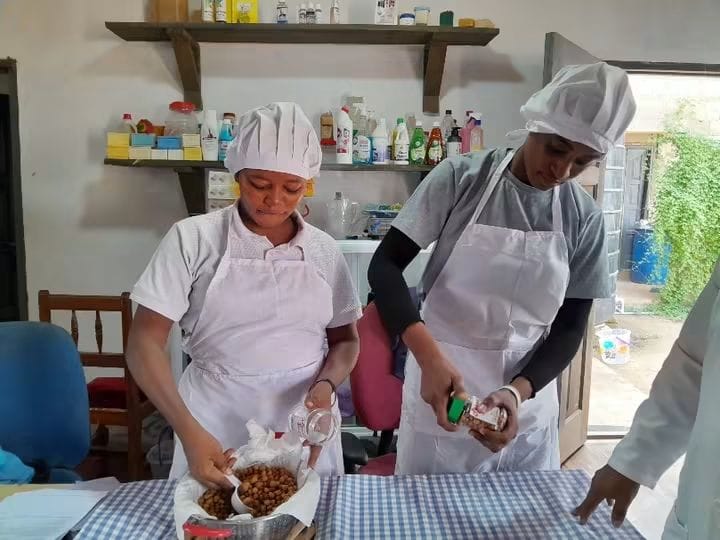
Providing practical, market-oriented skills and entrepreneurship support that enable women and young people to pursue employment, establish enterprises and build sustainable sources of income.
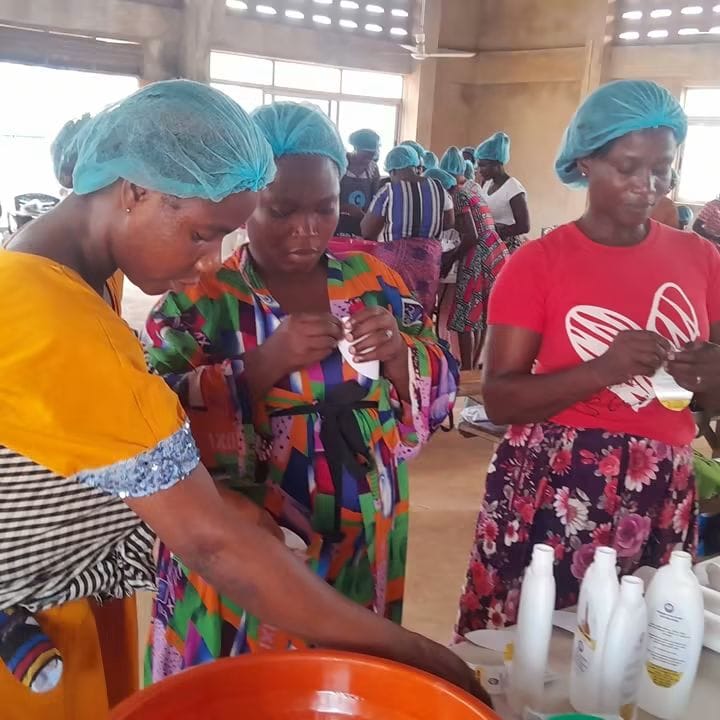
Transforming practical skills into viable livelihood opportunities through vocational training, business development, productive assets and market linkages.
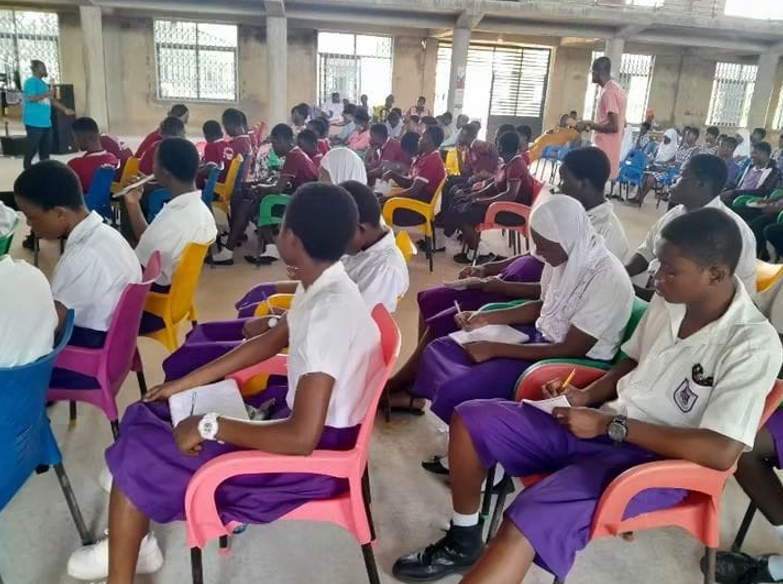
Building the knowledge, confidence, leadership and life skills of young women and men so they can participate meaningfully in education, employment, entrepreneurship and community development.
Empowering Women. Investing in Youth.
VIRD promotes the meaningful participation and empowerment of women and girls through:
We see young people not simply as beneficiaries, but as partners, innovators and agents of change. Our youth programmes focus on:
Northern Ghana. See our Where We Work page for our current focus districts.
Related projects and stories for this programme will be listed here once published.
Support This Programme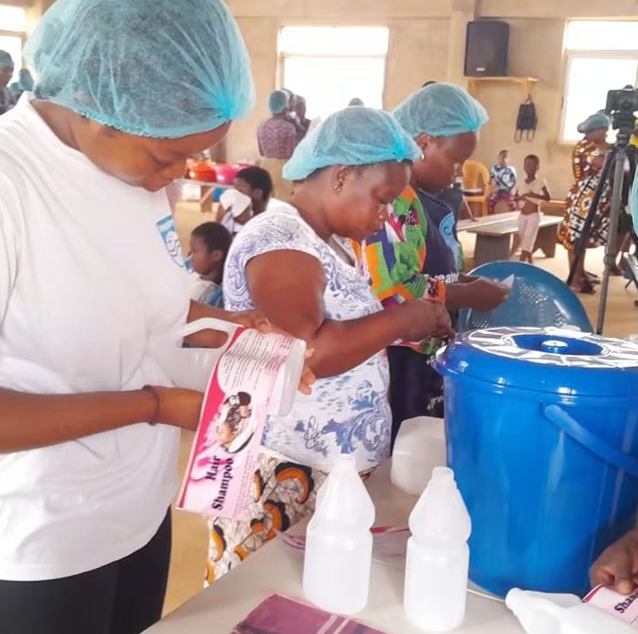
Equipping women with practical skills, entrepreneurship knowledge and enterprise support to create income-generating opportunities, strengthen financial independence and improve household resilience.
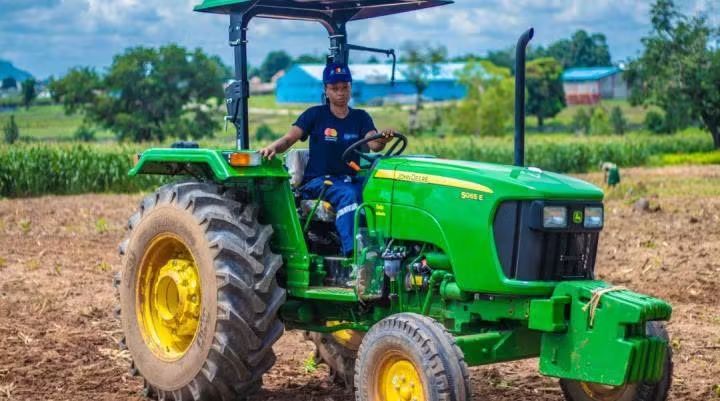
Creating opportunities for young people to participate in modern agriculture through climate-smart technologies, mechanization, entrepreneurship, skills development and stronger agricultural value chains.
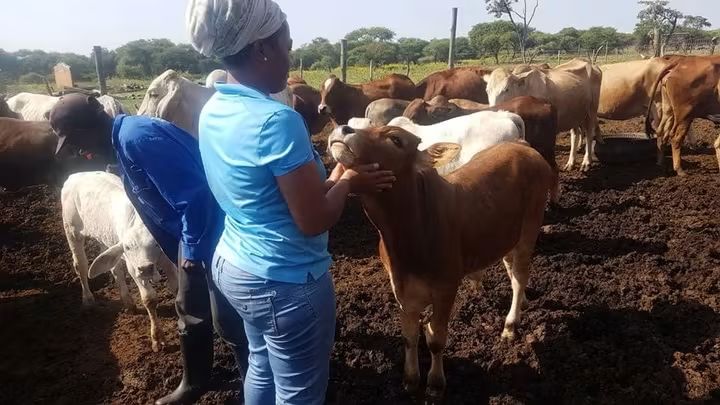
Empowering women to participate in livestock production and agricultural value chains through skills development, productive assets, enterprise support and market linkages that strengthen incomes and household resilience.
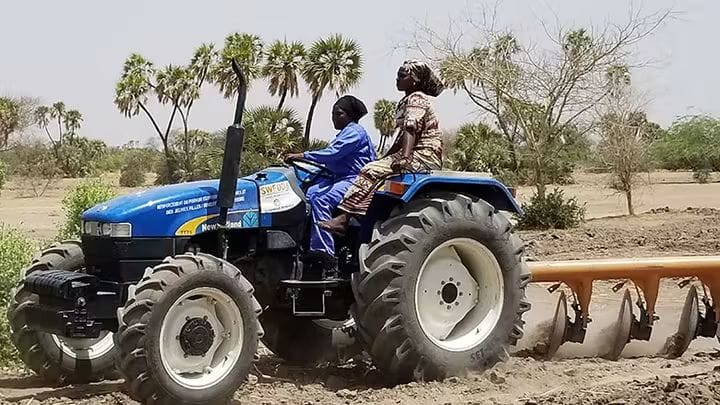
Breaking barriers to women’s participation in modern agriculture by expanding access to mechanization, climate-smart technologies, technical skills and agribusiness opportunities.
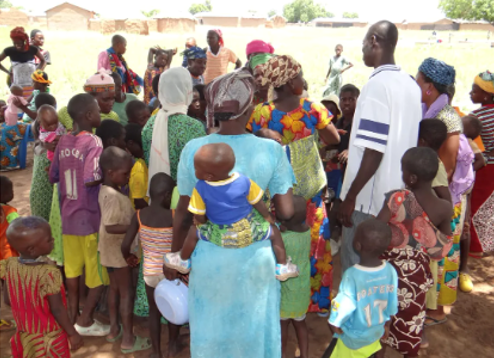
Working with children, caregivers and communities to strengthen safeguarding, family resilience, social protection and inclusive support for those facing vulnerability.
Northern Ghana. See our Where We Work page for our current focus districts.
Related projects and stories for this programme will be listed here once published.
Support This Programme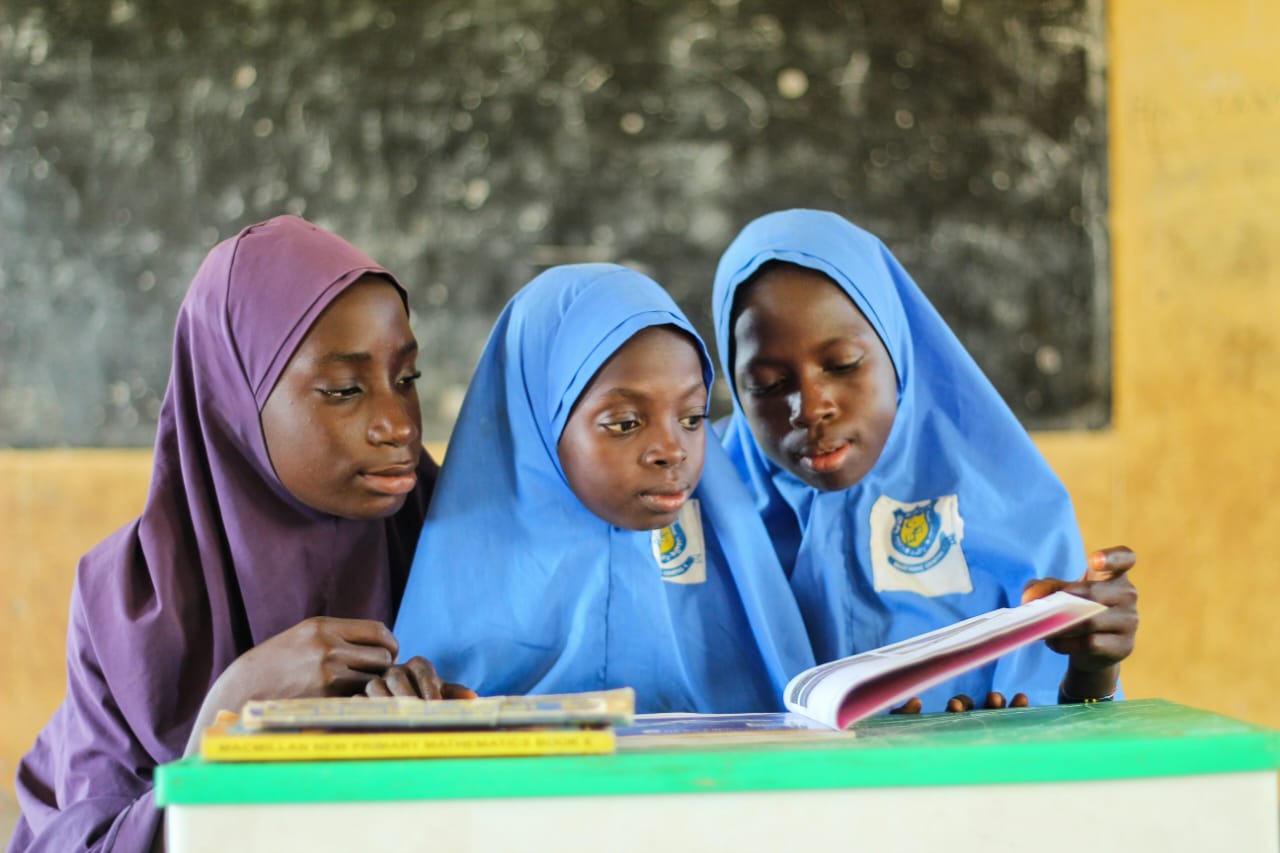
Mobilizing faith-inspired giving to support education, learning materials, scholarships and other opportunities that enable vulnerable children and young people to learn, develop and build brighter futures.
Supporting eligible vulnerable people and households in accordance with applicable requirements and appropriate Islamic guidance
Mobilizing voluntary charitable contributions for approved humanitarian and development purposes.
Supporting sustainable community assets and services through responsible endowment arrangements
Where appropriately approved and structured, VIRD foundation may facilitate interest-free financing mechanisms to support eligible beneficiaries.
Ramadan Giving: Mobilization and distribution of charitable assistance during Ramadan to support vulnerable individuals and households with essential needs and enable them to observe the holy month with dignity.
Eid Assistance: Provision of food, clothing, essential items or financial support to vulnerable families, children and individuals so they can celebrate Eid with dignity and inclusion.
Food Assistance: Provision of food packages, meals or other appropriate food support to food-insecure and vulnerable households, particularly during emergencies, Ramadan and other periods of heightened need.
Vulnerable Household Support: Targeted assistance to households facing severe poverty, disability, displacement, illness, food insecurity or other significant vulnerabilities, based on transparent needs assessment.
Orphan and Child Support: Support for orphans and vulnerable children through education, nutrition, healthcare, protection, essential needs and other services that promote their safety, dignity and well-being.
Livelihood Assistance: Support that helps vulnerable individuals and households develop sustainable income-generating capacity through skills training, productive assets, business support, agriculture, entrepreneurship or appropriate financing.
Developing charitable assets capable of generating continuing community benefit.Examples may include:
Restricted Islamic funds will be appropriately tracked, managed and reported according to their purpose and applicable requirements.
Northern Ghana. See our Where We Work page for our current focus districts.
Related projects and stories for this programme will be listed here once published.
Support This Programme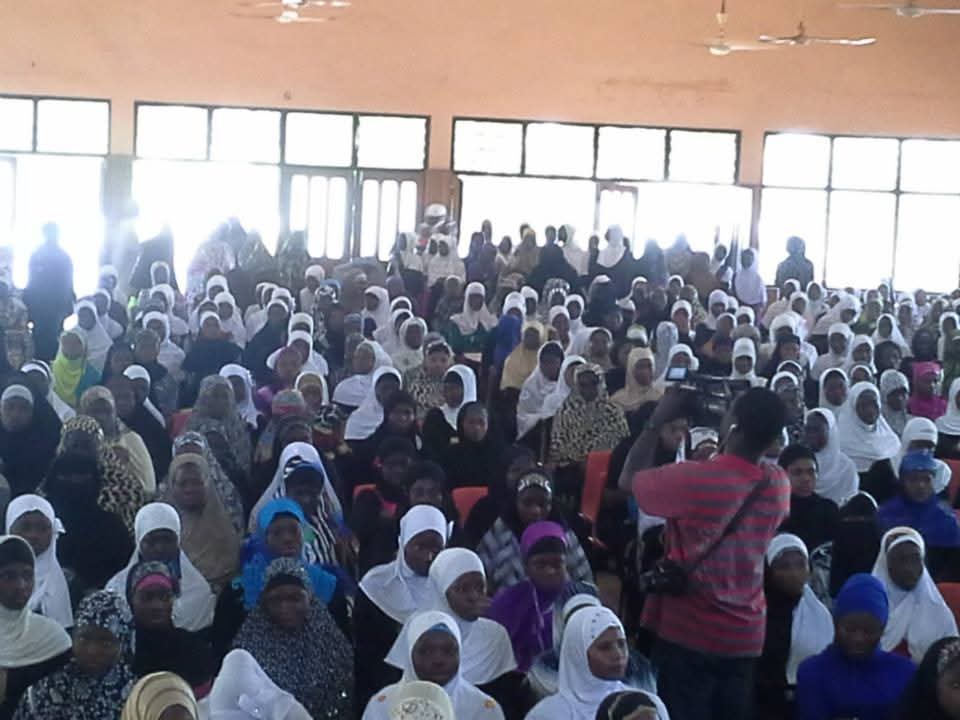
Strengthening a culture of generosity and collective responsibility through Zakat, Sadaqah, Waqf and other forms of Islamic philanthropy to address community needs and advance sustainable development.
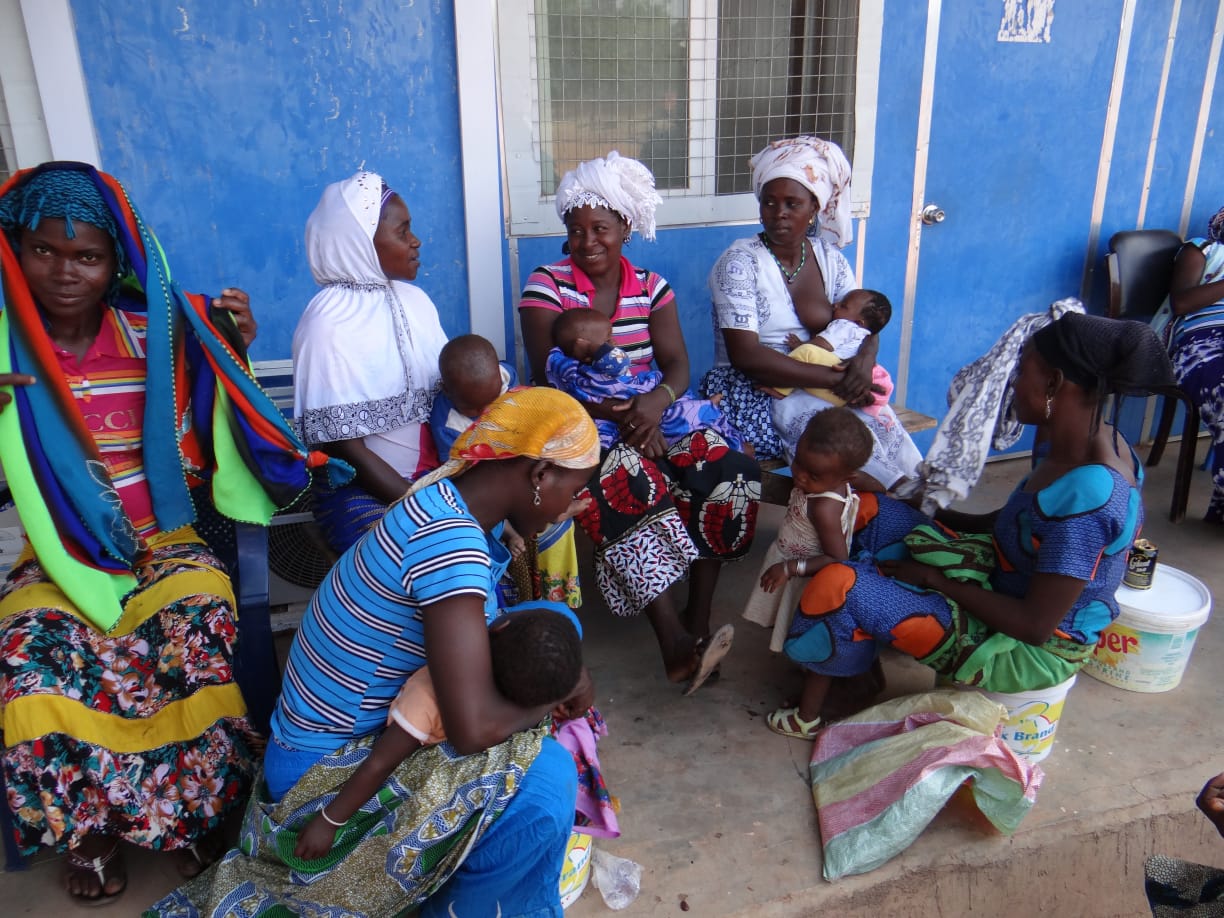
Channeling Zakat, Sadaqah and other charitable resources towards appropriate social protection, essential needs and livelihood opportunities that strengthen family well-being, dignity and resilience.
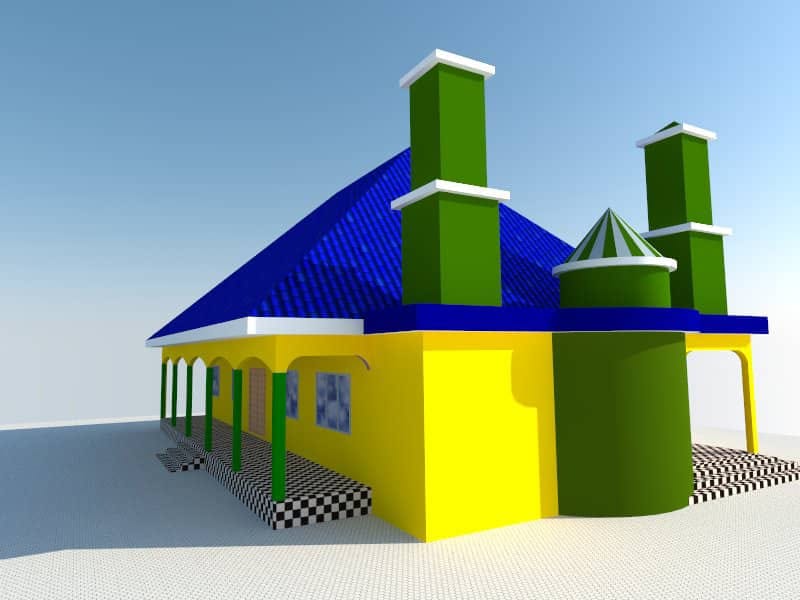
Developing dignified and sustainable Islamic community infrastructure that provides spaces for worship, Qur’an education, community learning, charitable activities and social cohesion.
Northern Ghana. See our Where We Work page for our current focus districts.
Related projects and stories for this programme will be listed here once published.
Support This Programme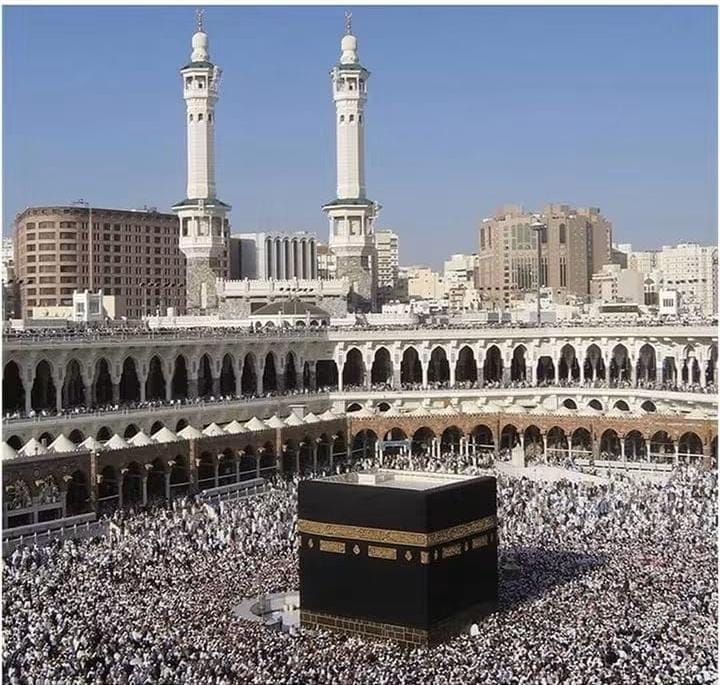
Mobilizing dedicated sponsorship and charitable support to help eligible Muslims with limited financial means undertake Hajj or Umrah with dignity, appropriate preparation and transparent beneficiary selection.
The process is intended to be:Transparent → Needs-Based → Verified → Accountable → Dignified
Sponsorship may include appropriate support for travel preparation, documentation, accommodation, welfare and pilgrimage-related assistance.
Northern Ghana. See our Where We Work page for our current focus districts.
Related projects and stories for this programme will be listed here once published.
Support This Programme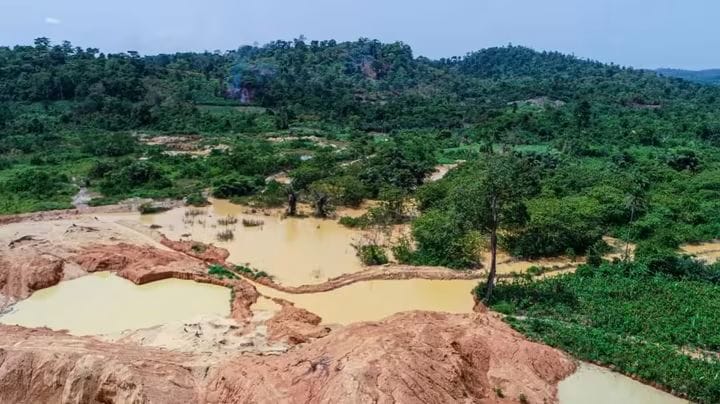
Working with communities to rehabilitate degraded land, conserve natural resources, restore ecosystems and strengthen local capacity to adapt to climate and environmental change.
Northern Ghana. See our Where We Work page for our current focus districts.
Related projects and stories for this programme will be listed here once published.
Support This Programme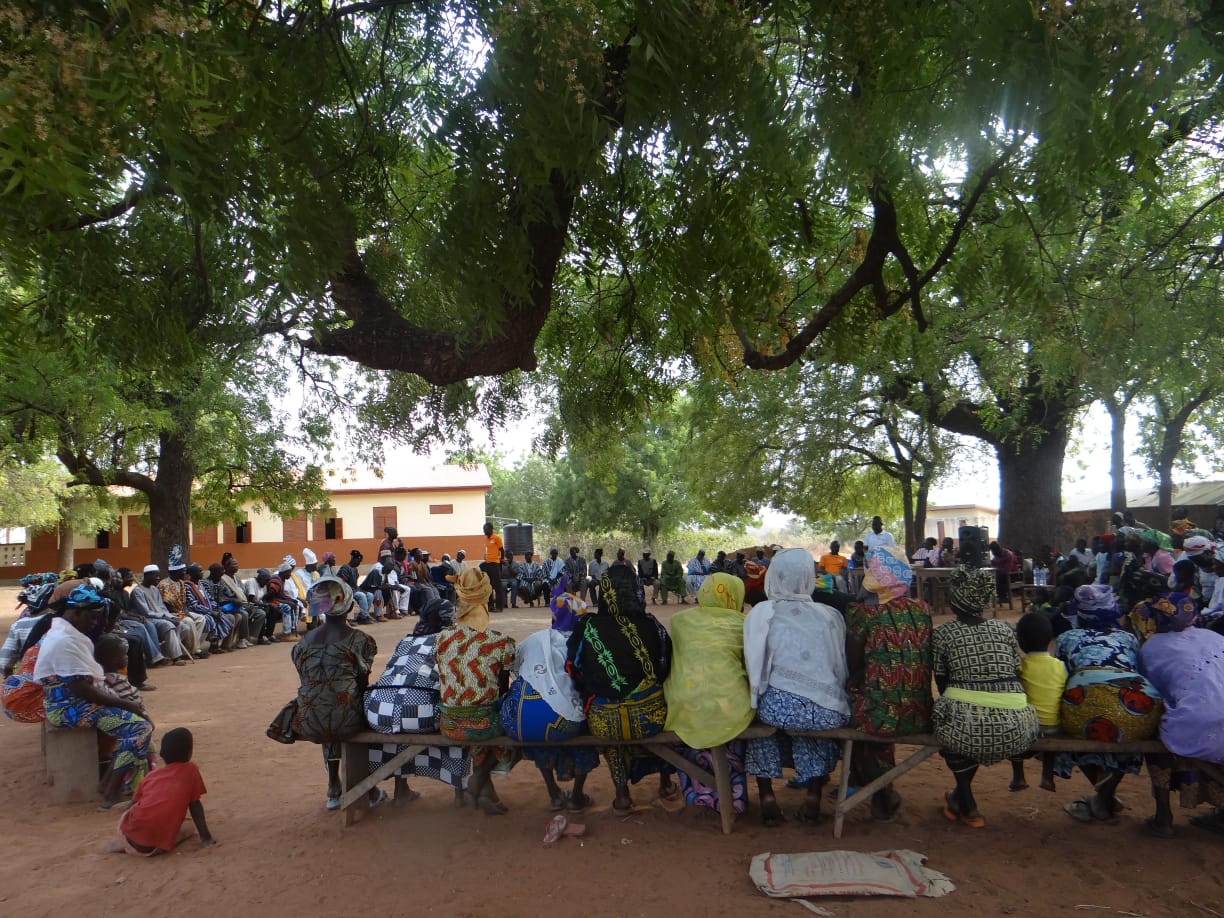
Creating inclusive spaces for dialogue, mediation and collective action that strengthen relationships, prevent conflict and enable communities to work together towards shared development goals.
Our approach seeks to strengthen peaceful relationships and inclusive community participation.
Northern Ghana. See our Where We Work page for our current focus districts.
Related projects and stories for this programme will be listed here once published.
Support This Programme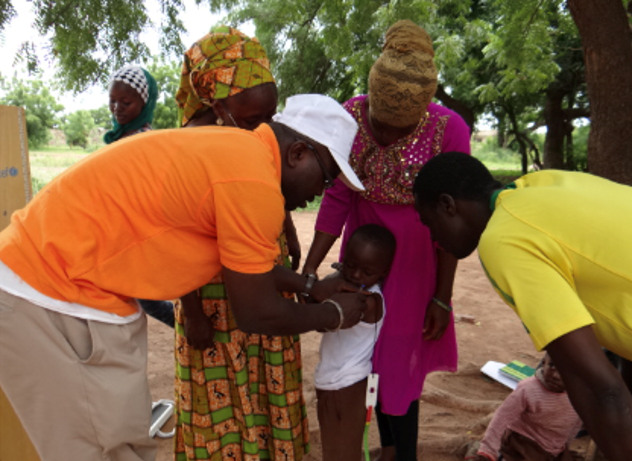
Generating practical evidence through participatory research, field assessments and community engagement to understand local needs, identify effective solutions and continuously improve development programmes.
Evidence for Better Decisions. VIRD foundation is committed to using evidence, data and learning to improve programme quality and accountability.
Northern Ghana. See our Where We Work page for our current focus districts.
Related projects and stories for this programme will be listed here once published.
Support This ProgrammeCOMPLETE PROGRAMME ACTIVITIES
Our programmes are integrated: activities are selected with communities and delivered according to assessed need, capacity, partnership and available resources.
Emergency food assistance, Water and sanitation, Emergency shelter support, Healthcare assistance, Cash and voucher assistance, Protection support, Emergency household assistance, Disaster preparedness, Early recovery, Livelihood restoration.
School infrastructure, Scholarships, Educational materials, School feeding support, Teacher capacity development, Early childhood development, Adult literacy, Digital learning, Technical and vocational education, Youth skills development, Community learning spaces.
Maternal and child health, Community health, Nutrition education, Nutrition screening, Disease prevention, Health promotion, Maternal nutrition, Child nutrition, Mental health and psychosocial support, Elderly support, Health awareness campaigns. VIRD will work with qualified health institutions and relevant authorities to complement — not duplicate — public health services.
Boreholes, Water systems, Water-point rehabilitation, Household sanitation, Community sanitation, School WASH, Mosque WASH, Hygiene education, Menstrual hygiene management, Community-led sanitation, Water-point management and maintenance. Every infrastructure investment should be accompanied by appropriate operation and maintenance arrangements.
Climate-smart agriculture, Farmer training, Agricultural inputs, Irrigation, Livestock development, Kitchen gardens, Cooperatives, Post-harvest management, Agricultural value chains, Nutrition-sensitive agriculture, Market linkages.
Vocational training, Technical skills, Entrepreneurship, Business development, Financial literacy, Savings groups, Qard Hasan initiatives, Productive asset support, Start-up support, Market linkages, Employment partnerships, Value-chain development.
For women: Entrepreneurship, Vocational skills, Financial inclusion, Leadership, Enterprise development, Savings and livelihoods, Women's community organizations. For youth: Digital skills, Entrepreneurship, Employability, Career guidance, Technical and vocational training, Innovation, Leadership, Volunteerism, Employment partnerships.
Child safeguarding, Child protection, Birth registration, Family strengthening, Orphan support, Disability inclusion, Elderly support, Social assistance, Community safety nets, Protection referral mechanisms.
Zakat (supporting eligible beneficiaries in accordance with applicable principles and requirements.); Sadaqah (voluntary charitable giving to support humanitarian and development needs.); Waqf (developing sustainable charitable assets capable of generating long-term social benefit.); Qard Hasan (supporting appropriate interest-free financing mechanisms for productive economic activities.); Sadaqah Jariyah (supporting lasting charitable initiatives whose benefits continue over time.). Restricted Islamic funds will be appropriately tracked, managed and reported according to their purpose and applicable requirements.
Mosque construction, Mosque renovation, Mosque WASH, Accessibility improvements, Islamic learning spaces, Qur'an schools, Qur'an libraries, Islamic educational materials, Teacher development, Digital Islamic learning, Community welfare facilities.
Full Hajj sponsorship, Partial Hajj sponsorship, Umrah sponsorship, Elderly pilgrims, Women, Youth, Persons with disabilities, Vulnerable individuals, Hardship cases. Future Islamic social investment mechanisms may include a dedicated BARAKA Hajj Waqf, subject to appropriate legal and Shariah structuring.
Tree planting, Climate education, Climate-smart agriculture, Renewable energy, Waste management, Biodiversity, Land restoration, Sustainable natural-resource management, Community environmental action, Climate adaptation.
Community dialogue, Peace education, Conflict prevention, Mediation, Civic education, Inclusive participation, Community accountability, Social cohesion initiatives.
Baseline studies, Community needs assessments, Vulnerability assessments, Programme evaluations, Research, Data analytics, Innovation pilots, Learning events, Case studies, Publications, Knowledge products.